
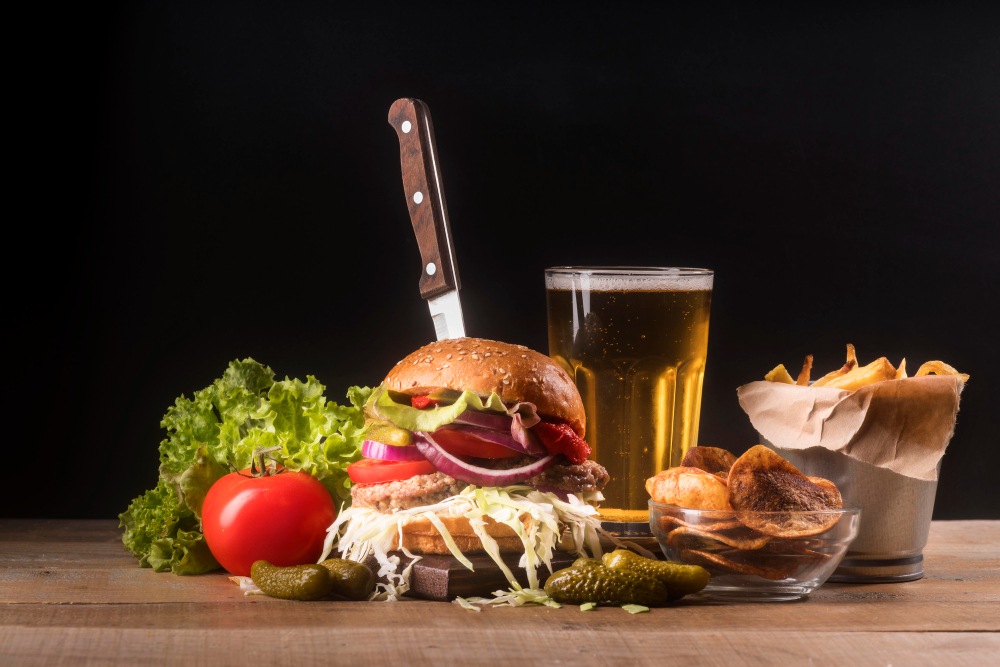
If you live with psoriasis, you know that managing the condition is a 24/7 job. You’ve likely tried every cream, ointment, and light therapy available. But have you looked closely at your dinner plate? While psoriasis is an immune-mediated genetic disease—meaning you can’t simply “diet it away”—there is a profound connection between what you eat and how your skin behaves.
Psoriasis is fundamentally a state of systemic inflammation. Certain foods act like kindling on a fire, stoking that inflammation and potentially leading to more frequent or severe flares. By identifying and reducing these dietary triggers, many people find they can significantly calm their skin and improve their overall quality of life.
Here is a deep dive into the primary food groups you might want to avoid or limit to help manage your psoriasis.
If you believe in this fight too, please consider supporting our mission through Donation. Together, we can make a difference.
1. Ultra-Processed Foods and Added Sugars
The modern diet is often high in refined carbohydrates and “hidden” sugars. These foods cause rapid spikes in blood glucose and insulin levels, which can trigger the production of pro-inflammatory cytokines.
- What to avoid: Soda, candy, sugary cereals, and white bread.
- The processed culprits: Pre-packaged snacks, frozen dinners, and deli meats often contain high levels of salt, trans fats, and artificial preservatives, all of which are linked to increased inflammation.
2. Red Meat and Dairy
Both red meat and dairy products contain a polyunsaturated fat called arachidonic acid. Research suggests that byproducts of this fatty acid may play a role in creating the inflammatory lesions characteristic of psoriasis.
- Red Meat: Beef, pork, and lamb are high in saturated fats, which are known to trigger inflammation in adipose (fat) tissue.
- Dairy: For many, the proteins in cow’s milk (casein and whey) are difficult to digest and can lead to an immune response that manifests on the skin. If you notice your skin flares after a bowl of ice cream or a cheesy pizza, dairy might be a personal trigger.
3. Alcohol: The Silent Trigger
Alcohol is perhaps one of the most significant triggers for psoriasis flares. Not only does it dehydrate the skin, but it also weakens the immune system and can disrupt the healthy bacteria in your gut (the microbiome).
- The “Leaky Gut” Connection: Alcohol can increase intestinal permeability, allowing toxins to enter the bloodstream and trigger an immune flare.
- Medication Interference: Alcohol can also decrease the effectiveness of certain psoriasis medications and may even be dangerous when mixed with systemic treatments like methotrexate.
4. The Gluten Question
There is a notable link between psoriasis and celiac disease or gluten sensitivity. While not everyone with psoriasis is sensitive to gluten, studies show that a significant percentage of patients carry the antibodies associated with gluten intolerance.
- What to watch for: Wheat, barley, rye, and malt.
- The Experiment: Many dermatologists suggest a trial period of a gluten-free diet for three months to see if skin clarity improves. If you have digestive issues alongside your skin flares, this is a path worth exploring.
5. Nightshades: A Common Anecdotal Culprit
The “nightshade” family of vegetables is a controversial topic in the psoriasis community. These plants contain a chemical compound called solanine, which some believe can affect digestion and increase inflammation.
- The Veggies: Tomatoes, white potatoes, eggplants, and peppers (including paprika and chili powder).
- The Verdict: While scientific evidence is currently limited, many individuals with psoriasis report a noticeable reduction in itching and redness when they eliminate nightshades from their diet.
How to Identify Your Personal Triggers
Every body is different. What causes a flare for one person might be perfectly fine for another. The best way to navigate these dietary waters is through an Elimination Diet.
- Remove: Choose one or two of the groups above and remove them entirely for 4 to 6 weeks.
- Monitor: Keep a food and skin diary. Note any changes in redness, scaling, or itchiness.
- Reintroduce: Slowly bring the food back into your diet and watch for a reaction over the next 72 hours.
What Should You Eat Instead?
While focusing on what to avoid is important, don’t forget to “crowd out” the bad with the good. Shift your focus toward an Anti-Inflammatory Diet (similar to the Mediterranean diet):
- Omega-3 Fatty Acids: Found in salmon, walnuts, and flaxseeds.
- Colorful Produce: Berries, leafy greens, and carrots are packed with antioxidants.
- Healthy Fats: Olive oil and avocados help maintain the skin barrier.
NOTE: If you believe in this fight too, please consider supporting our mission through Donation. Together, we can make a difference.