
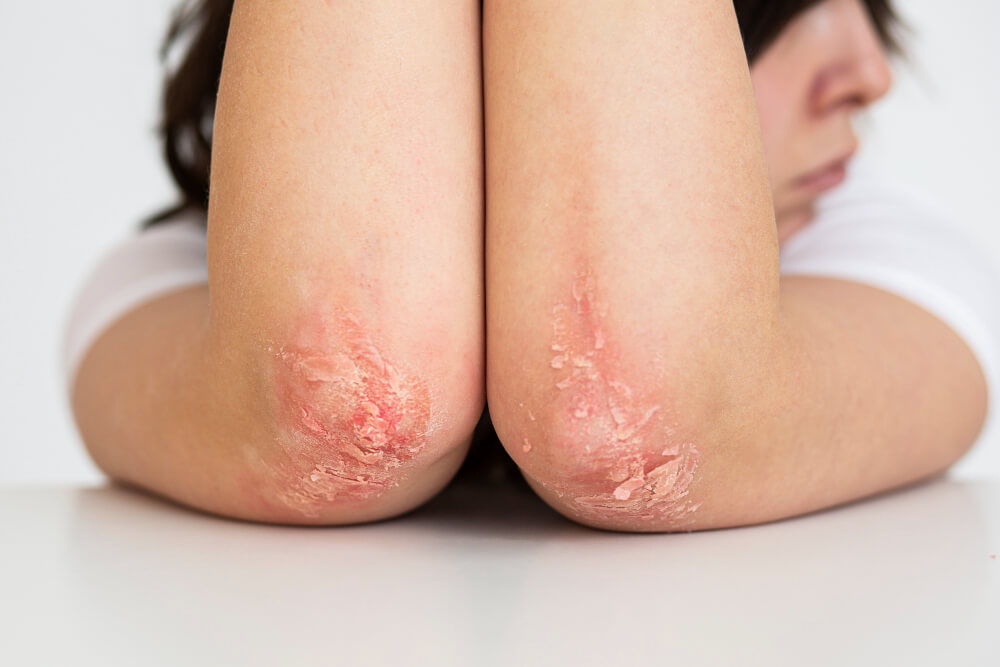
If you live with psoriasis, you have probably noticed changes in the color of your patches over time. One common and often confusing change is when plaques that were once deep red or inflamed begin to fade into a lighter pink. Many people ask the same question at this stage: does pink psoriasis mean it is healing?
The short answer is sometimes yes, but not always. Pink skin can be a sign of improvement, but it can also mean lingering inflammation or early relapse. Understanding what pink psoriasis really represents helps you respond correctly and avoid setbacks.
If you believe in this fight too, please consider supporting our mission through Donation. Together, we can make a difference.
What Psoriasis Looks Like During Active Inflammation
In an active flare, psoriasis patches are usually red, thick, raised, and covered with silvery or white scales. This redness comes from increased blood flow and inflammation caused by an overactive immune response.
At this stage, skin cells are multiplying rapidly, inflammation is high, and symptoms such as itching, burning, or discomfort are common. This is the phase when psoriasis feels most aggressive.
As treatment begins to work or triggers are removed, the skin starts to change. One of the first visible changes is often a shift in color.
Why Psoriasis Turns Pink
When psoriasis starts to calm down, inflammation in the skin decreases. Blood vessels that were widened during the flare begin to narrow again. As a result, the intense red color fades to a lighter pink.
Pink skin usually means that the immune activity driving the flare has reduced, but the skin has not fully returned to normal yet. The outer layers may still be thin, sensitive, or healing from damage caused during the flare.
In many cases, scaling becomes less severe, plaques flatten, and itching reduces. These are positive signs.
When Pink Psoriasis Is a Good Sign
Pink psoriasis often indicates healing when it appears alongside other improvements. These include reduced thickness of plaques, little or no scaling, minimal itching, and smoother skin texture.
If the pink areas continue to fade gradually and the skin begins to match your normal skin tone, this usually means the psoriasis is resolving. This is common when topical treatments, systemic medications, or lifestyle changes are working effectively.
Pink skin in this context is similar to what happens after other inflammatory skin conditions heal. The skin needs time to fully repair itself, even after inflammation is controlled.
When Pink Does Not Mean Healing
Pink does not always mean psoriasis is healing. Sometimes it reflects residual inflammation that has not fully settled. In these cases, the immune system is still active beneath the surface, and a flare can return quickly.
If pink patches remain tender, itchy, or start to thicken again, this may signal that treatment is not sufficient or that a trigger is still present. Stress, infections, alcohol, smoking, weather changes, or missed medications can all cause pink areas to flare back into active plaques.
Another possibility is rebound inflammation. This can occur when strong topical steroids are stopped suddenly. The skin may appear pink and calm at first, then rapidly worsen.
Post-Inflammatory Color Changes
In some people, especially those with darker skin tones, pink or lighter areas may represent post-inflammatory color changes rather than active psoriasis.
After inflammation clears, the skin can temporarily appear lighter or darker than surrounding skin. This is not active disease and does not require aggressive treatment. Over time, skin color usually normalizes on its own, though it may take weeks or months.
It is important not to overtreat these areas, as unnecessary medication can irritate healing skin.
How Long Pink Psoriasis Lasts
There is no fixed timeline. For some people, pink patches fade within a few weeks. For others, they can persist for several months, especially after severe flares.
Healing time depends on factors such as how long the flare lasted, how aggressive the treatment was, overall health, stress levels, and skin care habits.
Consistent treatment and gentle skin care help speed up recovery and prevent relapse.
What You Should Do When Psoriasis Turns Pink
When you notice your psoriasis turning pink, resist the urge to stop treatment immediately unless your doctor advises it. Many relapses happen because treatment is stopped too early.
Continue maintenance therapy as prescribed. This may include lower-strength topical treatments, moisturizers, or non-steroidal options to support the skin barrier.
Keep the skin well moisturized, avoid harsh soaps, and protect affected areas from injury or sunburn. Monitor the area closely for signs of thickening, scaling, or increased itching.
If pink patches remain unchanged for a long time or start to worsen, it is best to consult a dermatologist. Adjustments to treatment may be needed.
Pink Psoriasis and Long-Term Control
Seeing psoriasis turn pink can be encouraging, but it should be viewed as a transition phase rather than the finish line. True healing means not just visual improvement, but long-term control of inflammation.
The goal is stable, symptom-free skin and fewer flares over time. This requires a combination of proper treatment, trigger management, and patience.
Final Thoughts
When psoriasis goes pink, it often means healing is underway, but it is not a guarantee that the condition is fully resolved. Pink skin usually reflects reduced inflammation, but the immune system may still be sensitive.
The key is to stay consistent, observe changes carefully, and avoid stopping treatment too soon. With the right approach, pink psoriasis can be a sign that clearer, healthier skin is on the way rather than a temporary pause before another flare.
NOTE: If you believe in this fight too, please consider supporting our mission through Donation. Together, we can make a difference.