
Psoriasis and Cancer Risk: What’s the Connection?
One of the more serious and less intuitive risks associated with psoriasis is cancer — particularly non-melanoma skin cancer (NMSC). Let’s dig into what the research shows. If you believe in this fight too, please consider supporting our mission through Donation. Together, we can make a difference.
Increased Cancer Risk
- A meta-analysis found that psoriasis patients have about 1.72 times higher risk of developing non-melanoma skin cancer compared to people without psoriasis. (PubMed)
- Specifically, the risk of squamous cell carcinoma (SCC) is notably higher (relative risk ~2.08), while basal cell carcinoma (BCC) risk is also elevated, though to a lesser extent. (PubMed)
- Data from a large registry (PSOLAR) also supports a higher risk of NMSC among psoriasis patients, especially those who’ve had systemic treatments or phototherapy. (PubMed)
- A population-based study across multiple countries found a moderately increased risk for keratinocyte (non-melanoma) cancer among psoriasis patients, especially those with more severe disease. (OUP Academic)
Other Cancer Risks
Beyond skin cancer, psoriasis has been linked to other types of cancer based on large reviews:
- Lymphomas (both Hodgkin and non-Hodgkin) (OUP Academic)
- Lung cancer and bladder cancer have appeared in some analyses. (AJMC)
- There’s debate over how much of this risk is due to psoriasis itself versus its treatments — immunosuppressive medications and UV-based therapies might play a role. (Medical News Today)
Treatment-Related Risk
- Phototherapy (UV light treatment): Especially PUVA (psoralen + UVA), which is effective but carries a long-term skin cancer risk. (Health)
- Systemic immunosuppressants: Drugs like methotrexate, cyclosporine, and biologics (TNF-α inhibitors) may increase cancer risk by weakening immune surveillance. (PubMed)
- One study found more non-melanoma skin cancer in psoriasis patients treated with phototherapy compared to those on anti–TNF-α agents over 5 years. (PubMed)
Mechanisms Behind the Link
Several hypotheses explain why psoriasis is associated with higher cancer risk:
- Chronic Inflammation: Persistent inflammation in psoriasis may promote DNA damage and impair normal cell regulation, increasing cancer risk. (JAMA Network)
- Immunosuppressive Treatments: Using treatments that dampen the immune system can reduce the body’s ability to detect and destroy early cancerous cells. (Medical News Today)
- UV Exposure: Phototherapy improves psoriasis by using UV light, but over time this can increase skin cell mutations and cancer risk. (PubMed)
- Behavioral or Environmental Factors: Some psoriasis patients may have lifestyle risks (like more sun exposure), or environmental triggers that also align with cancer risk. (AJMC)
Symptoms That Could Overlap: Psoriasis vs. Skin Cancer
It’s important to note that psoriasis lesions can sometimes mimic skin cancer, making it harder to spot dangerous changes.
- Psoriatic plaques are red, scaly, and thick. (Mayo Clinic)
- Skin cancers like SCC or BCC may also present as raised bumps, patches, or lesions — sometimes similar in color or texture. (Healthline)
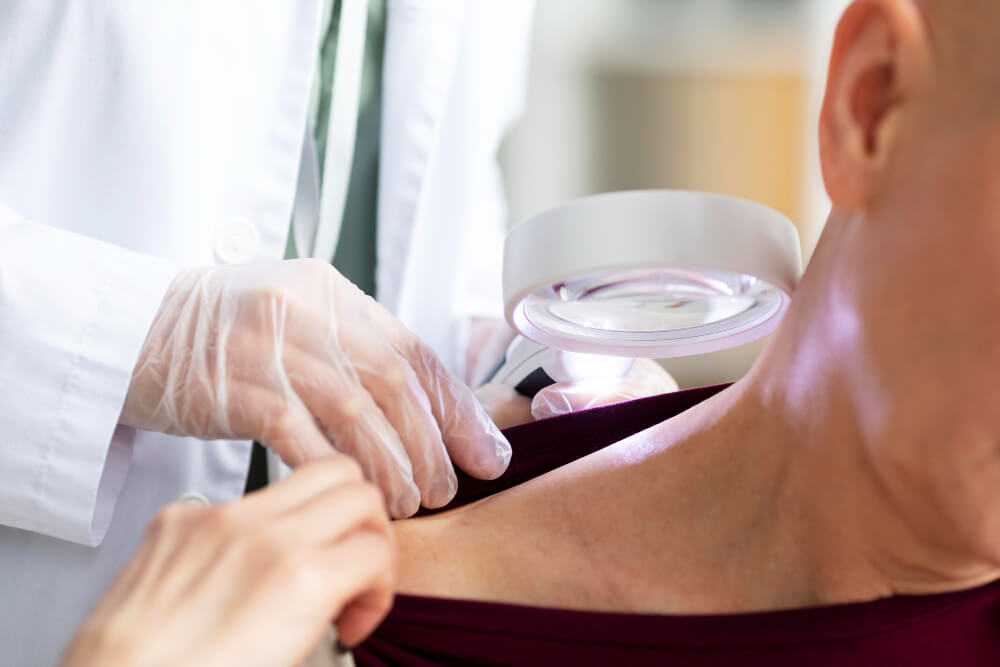
- Because of this overlap, regular skin checks by a dermatologist are especially important for people with psoriasis, particularly if they have risk factors (like long-term phototherapy).
Managing Psoriasis While Minimizing Cancer Risk
Living with psoriasis doesn’t mean you’re destined to get skin cancer — but smart management helps reduce your risk.
Medical Treatments
- Topical Treatments
- Corticosteroids, vitamin D analogs, retinoids, and coal tar are commonly used to control mild-to-moderate psoriasis without raising cancer risk significantly.
- Phototherapy (Light Therapy)
- Narrowband UVB is widely used, and considered safer than older UVA-based treatments. (Health)
- PUVA (Psoralen + UVA) can be very effective, but because of its elevated cancer risk, it’s used more cautiously. (Health)
- If you’re on phototherapy, ask your doctor how often to screen your skin for early signs of cancer.
- Systemic Treatments
- Methotrexate, Cyclosporine: Very effective but can suppress the immune system, raising long-term risks. (PubMed)
- Biologics (e.g., TNF-α inhibitors): These target specific immune pathways. In some studies, they have been associated with increased skin cancer risk, but risk varies by drug and patient history. (AJMC)
- Regular checkups and monitoring are critical when on systemic therapy.
- Emerging Therapies
- Research is ongoing into newer, more targeted therapies that might reduce side effects. For example, a recent study explored nanoparticle-based topical treatments combining plant extracts and metal oxides, with promising anti-inflammatory effects. (arXiv)
- These therapies are still largely in the research stage, so they’re not yet broadly available, but they may be part of the future.
Lifestyle & Self-Care
- Sun Protection: Use sunscreen, wear protective clothing, and avoid unmonitored tanning. This helps reduce UV exposure.
- Avoid Tanning Beds: Tanning beds primarily emit UVA, which is more dangerous and linked to skin cancer. (Business Insider)
- Healthy Habits:
- Don’t smoke; smoking worsens psoriasis and increases cancer risk. (Mayo Clinic)
- Drink alcohol in moderation.
- Manage stress through mindfulness, therapy, or relaxation techniques.
- Maintain a balanced diet and exercise regularly to lower cardiovascular and metabolic risks. (Cleveland Clinic)
- Skin Self-Exams: Regularly check your skin for new or changing spots, especially in areas that are hard to see.
Medical Monitoring
- Regular Dermatologist Visits: Especially if you use phototherapy or immunosuppressants.
- Screenings: Ask your doctor about skin cancer screening, particularly if you’ve had long-term or high-intensity psoriasis treatment.
- Personalized Risk Assessment: Work with your medical team to weigh the risks and benefits of different treatments based on your health history.
Living Well with Psoriasis (and Staying Vigilant)
Psoriasis is more than skin-deep. Although it’s not curable, many people manage it very effectively and live full, quality lives. The key is balance: controlling inflammation and flares, while minimizing long-term risks like skin cancer.
Here are some practical tips for day-to-day living:
- Build a Strong Care Team
- A dermatologist is essential.
- Depending on severity, you might involve a rheumatologist (if you have psoriatic arthritis), a primary care doctor, or even a mental health professional.
- Track Your Flares
- Keep a journal of what seems to trigger flare-ups (stress, diet, weather, infections).
- Share this with your doctor so you can adjust your treatment plan.
- Education & Awareness
- Learn about your treatment options, including their benefits and risks.
- Ask your provider about cancer risk, especially if you’re considering long-term phototherapy or systemic treatment.
- Support Network
- Join psoriasis support groups (online or in person).
- Talk about how psoriasis affects your mental health — it’s common to feel frustration, anxiety, or embarrassment.
Conclusion
The link between psoriasis and skin cancer is real, but it doesn’t mean cancer is inevitable. Research shows that people with psoriasis — especially those with more severe disease or who receive certain treatments — have a higher risk of non-melanoma skin cancers like squamous cell carcinoma and basal cell carcinoma. (PubMed)
However, by working closely with a healthcare provider, practicing regular skin checks, protecting yourself from UV exposure, and making informed decisions about treatment, you can effectively manage psoriasis and mitigate cancer risk.
If you have psoriasis, don’t let fear of cancer keep you from treating it — but do make cancer prevention and monitoring part of your long-term skin health plan.
Disclaimer: This blog post is for informational purposes only. It should not replace medical advice. If you have psoriasis or concerns about skin cancer, please consult a qualified healthcare professional.
INFO: If you believe in this fight too, please consider supporting our mission through Donation. Together, we can make a difference.